
Best Dehumidifiers Under $500: 5 Picks Compared on Specs
Basements and crawl spaces often collect moisture, and a high-capacity dehumidifier helps keep humidity under control. This guide focuses on five models priced under $500, chosen from a larger filter set. The picks are compared on their stated specifications, including capacity, pump availability, and drain options. The goal is to help you select a unit that matches your space, whether it's a basement, crawl space, or commercial setting.
5 picks from 6 dehumidifiers that match this guide with a price we can quote today, made by 32 makers. Prices below are live, each shown with the time it was read.
Quick list
| # | Pick | Dehumidifier | Price |
|---|---|---|---|
| 1 | Best overall | Waykar 150 Pints Commercial Dehumidifier with Pump & Drain Hose | $559.99 (as of 10/24/2026 01:53 PDT - Details) |
| 2 | Highest capacity | Waykar 158 Pints Crawl Space Dehumidifier with Pump | $485.97 (as of 10/24/2026 01:53 PDT - Details) Typical price: |
| 3 | Best with drain hose | Moiswell 155 Pint Commercial Dehumidifier | $496.99 (as of 10/24/2026 00:37 PDT - Details) |
| 4 | Best for basements with pump and drain | Waykar 125 Pint Crawl Space Dehumidifier | $449.99 (as of 10/24/2026 01:53 PDT - Details) |
| 5 | Most straightforward | ALORAIR 113 Pints Crawlspace Dehumidifier for Commercial | $446.46 (as of 10/24/2026 11:32 PDT - Details) |
Which one is right for you?
- For a basement with floor drain: If you have a floor drain nearby, pick a model with a drain hose so you never empty a bucket. The Moiswell 155 Pint is a good match. See pick 3
- For pumping water upward: Need to push water up to a window or sink? A built-in pump handles that. The Waykar 158 Pints or Waykar 150 Pints both have pumps. See pick 1
- For simple crawl space duty: If you just need to remove moisture and can empty a bucket, the ALORAIR 113 Pints is the most straightforward choice with no extra plumbing. See pick 5
- For commercial and water damage spaces: When you need a unit built for heavy use, the Waykar 125 Pint with pump and drain hose covers basements and commercial spaces. See pick 4
All 5 picks in detail
1 Best overall
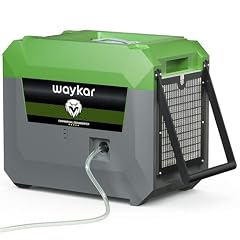
Waykar 150 Pints Commercial Dehumidifier with Pump & Drain Hose
- Pints per day
- 150 pints or more
- Area (sq ft)
- Over 5,000 sq ft
- Type
- LGR
- Pump included
- Yes
- Drain hose included
- Yes
- Commercial or industrial
- Yes
- For basements
- Yes
$559.99 (as of 10/24/2026 01:53 PDT - Details)
Outside this guide's budget at today's price.
This Waykar model combines a pump, drain hose, LGR type, and 150-pint capacity, making it the most feature-complete unit here. It covers over 5,000 square feet and is designed for basements and commercial spaces.
Pros
- 150 pints per day capacity
- Includes both pump and drain hose
- LGR type, often used for water damage restoration
- Covers over 5,000 sq ft
Cons
- Crawl space use not stated; only basement and commercial
- Bucket capacity not stated by the seller
Good fit if
- Basement owners who need to pump water away
- Professionals handling water damage restoration
Skip if
- You have a crawl space without a floor drain and do not want a pump
- You need the highest possible capacity in this price range
Verdict: The Waykar 150 Pints is the best all-around dehumidifier under $500 for basements and commercial use.
2 Highest capacity

Waykar 158 Pints Crawl Space Dehumidifier with Pump
- Pints per day
- 150 pints or more
- Area (sq ft)
- Over 5,000 sq ft
- Pump included
- Yes
- Commercial or industrial
- Yes
- For basements
- Yes
- For crawl spaces
- Yes
$485.97 (as of 10/24/2026 01:53 PDT - Details) Typical price: $539.99, 10% off
With a 158-pint capacity, this Waykar tops the list for moisture removal per day. It also includes a pump, making it useful for crawl spaces where gravity drainage is not possible.
Pros
- 158 pints per day, the most in this list
- Built-in pump for lifting water
- Covers over 5,000 sq ft
- Marked as crawl space suitable
Cons
- No drain hose listed, only a pump
- No LGR classification stated
Good fit if
- Very damp crawl spaces needing maximum capacity
- Installations where water must be pumped upward
Skip if
- You prefer a drain hose for continuous gravity flow
- You need LGR features for water damage jobs
Verdict: The Waykar 158 Pints is the highest-capacity option in this guide, ideal for severe moisture problems.
3 Best with drain hose
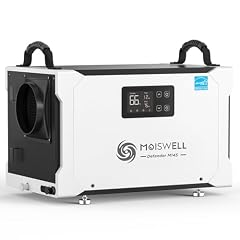
Moiswell 155 Pint Commercial Dehumidifier
- Pints per day
- 150 pints or more
- Drain hose included
- Yes
- Commercial or industrial
- Yes
- For basements
- Yes
- For crawl spaces
- Yes
$496.99 (as of 10/24/2026 00:37 PDT - Details)
This Moiswell offers a drain hose connection for continuous drainage, at 155 pints per day. It is marked commercial and crawl space suitable, without the added complexity of a pump.
Pros
- 155 pints per day capacity
- Drain hose included for continuous operation
- Marked as commercial
- Designed for crawl spaces
Cons
- No pump, so draining below the unit level requires gravity
- No area coverage specification listed
Good fit if
- Crawl spaces with a floor drain or sump pit
- Users who want to avoid emptying a bucket constantly
Skip if
- You need to pump water to a higher outlet
- You require a pump for pumping water out of a deep crawl space
Verdict: The Moiswell 155 Pint is a solid choice for continuous drain setups in crawl spaces.
4 Best for basements with pump and drain

Waykar 125 Pint Crawl Space Dehumidifier
- Pints per day
- 100 to 149 pints
- Area (sq ft)
- Over 5,000 sq ft
- Pump included
- Yes
- Drain hose included
- Yes
- Commercial or industrial
- Yes
- For basements
- Yes
- For crawl spaces
- Yes
$449.99 (as of 10/24/2026 01:53 PDT - Details)
This Waykar model includes both a pump and a drain hose, covering basements, commercial spaces, and water damage areas. Its 125-pint capacity is lower than others here but still substantial.
Pros
- Includes pump and drain hose in one unit
- Designed for basements and commercial spaces
- Covers over 5,000 sq ft
- Marked for water damage spaces
Cons
- 125 pints per day, the lowest in this list
- No LGR classification stated
Good fit if
- Basement owners who need both pump and drain options
- Contractors working on water damage restoration
Skip if
- You need maximum capacity for a very large or wet area
- You prefer a dedicated LGR unit
Verdict: The Waykar 125 Pint offers a versatile pump and drain combo for basement and commercial use at a slightly lower capacity.
5 Most straightforward

ALORAIR 113 Pints Crawlspace Dehumidifier for Commercial
- Pints per day
- 100 to 149 pints
- Area (sq ft)
- Up to 1,500 sq ft
- Drain hose included
- Yes
- Commercial or industrial
- Yes
- For basements
- Yes
- For crawl spaces
- Yes
$446.46 (as of 10/24/2026 11:32 PDT - Details)
The ALORAIR 113 Pints is a simple, commercial-grade crawl space dehumidifier without pump or drain hose extras. It offers a lower capacity but keeps the setup uncomplicated.
Pros
- 100-149 pint capacity range
- Marked as commercial
- Designed for crawl spaces
- No pump or complex installation needed
Cons
- No pump or drain hose listed, so you must empty the bucket manually or add your own drainage
- Lower capacity than the other picks
Good fit if
- Crawl spaces where you can empty a bucket regularly
- Users who want a simple, no-frills dehumidifier
Skip if
- You need continuous drainage without emptying
- You require pump assistance to remove water
Verdict: The ALORAIR 113 Pints is the most straightforward option for basic crawl space dehumidification.
Specs compared
| # | Dehumidifier | Pints per day | Area (sq ft) | Type | Whole house | Pump included | Drain hose included |
|---|---|---|---|---|---|---|---|
| 1 | Waykar 150 Pints Commercial Dehumidifier with Pump & Drain Hose | 150 pints or more | Over 5,000 sq ft | LGR | not stated | Yes | Yes |
| 2 | Waykar 158 Pints Crawl Space Dehumidifier with Pump | 150 pints or more | Over 5,000 sq ft | not stated | not stated | Yes | not stated |
| 3 | Moiswell 155 Pint Commercial Dehumidifier | 150 pints or more | not stated | not stated | not stated | not stated | Yes |
| 4 | Waykar 125 Pint Crawl Space Dehumidifier | 100 to 149 pints | Over 5,000 sq ft | not stated | not stated | Yes | Yes |
| 5 | ALORAIR 113 Pints Crawlspace Dehumidifier for Commercial | 100 to 149 pints | Up to 1,500 sq ft | not stated | not stated | not stated | Yes |
How we chose these
The pool for this guide consisted of five dehumidifiers that matched the initial search filter. Because the pool is small, every unit is included. Each model is described based solely on the specifications provided by the seller, such as capacity, pump, drain hose, and intended usage areas. The selection is based on published specifications and the sellers' stated features. Prices shown are live from the store listing and may change. The goal is to give you a clear picture of what each unit offers within this price range.
What to look for
Capacity matters, but so do test conditions
Capacity is measured in pints per 24 hours. The U.S. Department of Energy specifies a measurement standard that uses cooler temperatures than older methods, which can lower the stated capacity. When comparing models, check the capacity number as reported by the maker, and keep in mind that a larger capacity is generally better for very damp spaces. ENERGY STAR guidance suggests oversizing rather than undersizing.
Pump vs. drain hose
A built-in pump lets the dehumidifier push water upward to a sink or window, useful in basements or crawl spaces without a floor drain. A drain hose relies on gravity and works best when the water can flow downhill to a drain or sump. Some units include both, giving you flexibility. If you have a floor drain, a drain hose alone may suffice; if water must be lifted, choose a pump model.
Commercial and LGR units
Commercial-rated units are designed for more demanding conditions, such as water damage restoration. LGR stands for low grain refrigerant, a type of dehumidifier that can continue removing moisture even in cooler, more humid environments. If you are dealing with a flooded basement or high humidity that never seems to drop, an LGR model like the Waykar 150 Pints may be worth the extra cost.
Crawl space vs. basement suitability
While many dehumidifiers are advertised for both crawl spaces and basements, consider the physical layout. Crawl spaces often have low clearance, and a pump may be needed to move water out. Basements may have floor drains that allow simple gravity drainage. Check the manufacturer's stated intended use to ensure the unit fits your space.
Energy efficiency
Efficiency is measured by the integrated energy factor (IEF), which indicates how many liters of water are removed per kilowatt-hour of energy consumed. A higher IEF means better efficiency. ENERGY STAR certified models use 20% less energy than conventional units. Though none of the picks in this list have an ENERGY STAR label stated, you can still compare IEF values if available from the maker.
Questions
How many pints do I need for a basement?
For a large room over 2,000 square feet that is slightly to moderately damp, ENERGY STAR suggests a minimum capacity of 30 pints per day. For very damp conditions, you may need 40 pints or more. The units in this list all exceed 100 pints, making them suitable for very damp or large spaces. Oversizing is generally recommended to keep humidity low.
What is the difference between a pump and a drain hose?
A pump allows the dehumidifier to move water upward to a sink or window, which is useful in basements or crawl spaces where you cannot rely on gravity. A drain hose uses gravity to direct water to a floor drain or sump pit. Some models include both, giving you more installation options. If you have a floor drain, a drain hose is often enough.
Are these dehumidifiers ENERGY STAR certified?
None of the five picks in this guide list an ENERGY STAR certification in the seller's specifications. ENERGY STAR certified models use about 20% less energy than conventional units. If energy efficiency is a priority, check the product page for an ENERGY STAR label before purchasing.
Can I use a dehumidifier in a crawl space with low clearance?
Yes, many crawl space dehumidifiers are designed to fit in tight spaces. However, you need to consider how you will drain the water. A pump is often necessary if the crawl space is below the level of a drain. Confirm the unit's physical dimensions and drainage options against your crawl space's setup before buying.
How often should I empty the water bucket?
With capacities above 100 pints per day, these dehumidifiers can collect a large amount of water. Without a pump or drain hose, you may need to empty the bucket several times a day in humid conditions. Models with a drain hose or pump allow continuous operation, so you rarely need to touch the unit.
Update history
- : First published.